Featured

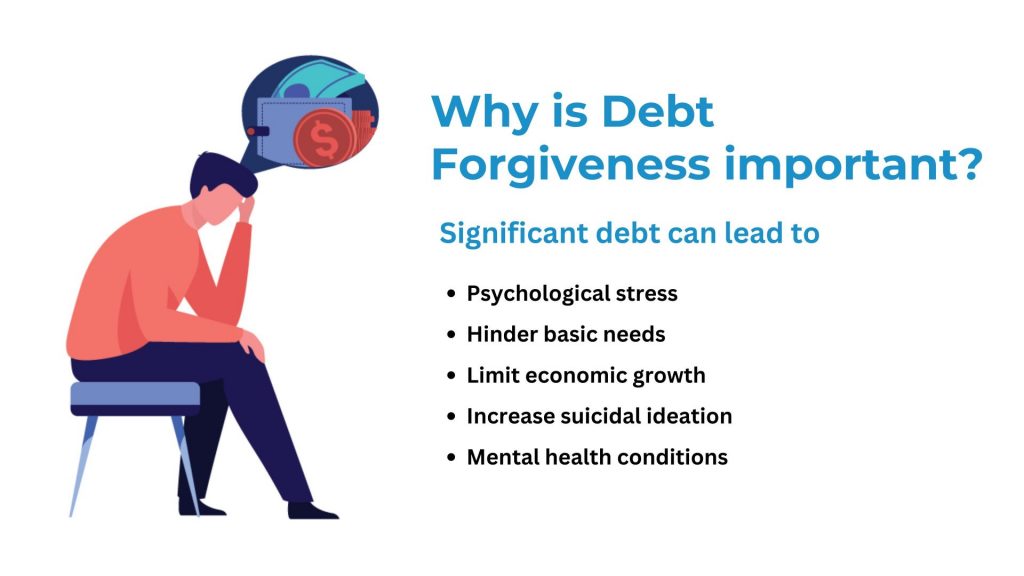
The Best Strategy To Use For Restoring Your Credit Rating Following A Season of Gratitude: How APFSC Helps Families Thrive : APFSC
Table of Contents
The agency will certainly draw a credit scores report to understand what you owe and the level of your challenge. If the forgiveness program is the ideal remedy, the therapist will send you an arrangement that information the strategy, including the quantity of the regular monthly settlement.
When everyone agrees, you start making month-to-month repayments on a 36-month plan. When it's over, the agreed-to amount is gotten rid of. There's no charge for settling the equilibrium early, yet no expansions are allowed. If you miss a settlement, the arrangement is nullified, and you must exit the program. If you assume it's an excellent alternative for you, call a therapist at a nonprofit credit scores therapy firm like InCharge Debt Solutions, that can address your inquiries and aid you determine if you certify.
Due to the fact that the program allows consumers to settle for much less than what they owe, the financial institutions that participate want reassurance that those that take benefit of it would not be able to pay the sum total. Your bank card accounts additionally must be from financial institutions and charge card business that have agreed to get involved.
If you miss out on a payment that's simply one missed out on settlement the arrangement is terminated. Your financial institution(s) will certainly terminate the plan and your balance goes back to the original amount, minus what you've paid while in the program.
The 2-Minute Rule for Financial Conditions Impacting Rising Demand Are Seeking Professional Help
With the mercy program, the creditor can instead choose to keep your financial obligation on guides and recoup 50%-60% of what they are owed. Nonprofit Credit History Card Debt Mercy and for-profit financial obligation negotiation are comparable because they both provide a means to resolve charge card financial obligation by paying less than what is owed.
Bank card forgiveness is made to cost the consumer much less, settle the debt quicker, and have less disadvantages than its for-profit counterpart. Some essential areas of difference between Credit score Card Financial debt Mercy and for-profit financial debt negotiation are: Charge card Financial obligation Mercy programs have connections with creditors who have accepted participate.
Once they do, the payback duration begins instantly. For-profit financial debt negotiation programs bargain with each creditor, typically over a 2-3-year duration, while rate of interest, charges and calls from debt collection agencies continue. This implies a larger appeal your credit rating report and credit rating score, and a raising balance up until arrangement is finished.
Bank Card Financial debt Forgiveness customers make 36 equal month-to-month repayments to eliminate their financial obligation. The payments go to the creditors till the agreed-to equilibrium is removed. No interest is charged throughout that duration. For-profit financial debt settlement customers pay right into an escrow account over an arrangement duration toward a round figure that will certainly be paid to creditors.
The smart Trick of Building a Healthy Financial Plan for Permanent Success That Nobody is Talking About

Throughout this time around, costs may raise, and interest builds up, so payments may wind up not being cost effective for customers. Customers stop making repayments to their debt card accounts. Telephone calls from debt collection agencies proceed and creditor-reported non-payments continue to damage the customer's credit score record. Registration in a Debt Card Financial debt Forgiveness quits calls and letters from financial obligation collection and recuperation agencies for the accounts consisted of in the program.
For-profit debt negotiation programs do not quit collection activities till the lump-sum repayment is made to the lender. Nonprofit Credit Scores Card Financial obligation Mercy programs will tell you up front what the monthly cost is, capped at $75, or less, depending upon what state you live in. For-profit debt settlement companies might not be clear about cost quantities, which frequently are a percentage of the equilibrium.
The 10-Minute Rule for Ongoing Guidance and Group Support
For-profit financial debt negotiation likely will harm it extra, given that you will not be paying lenders throughout the 2-3 year negotiation/escrow period, yet they haven't consented to a plan or gotten any type of money, so they're still reporting nonpayment. This is on top of the credit history hit from not paying the sum total.
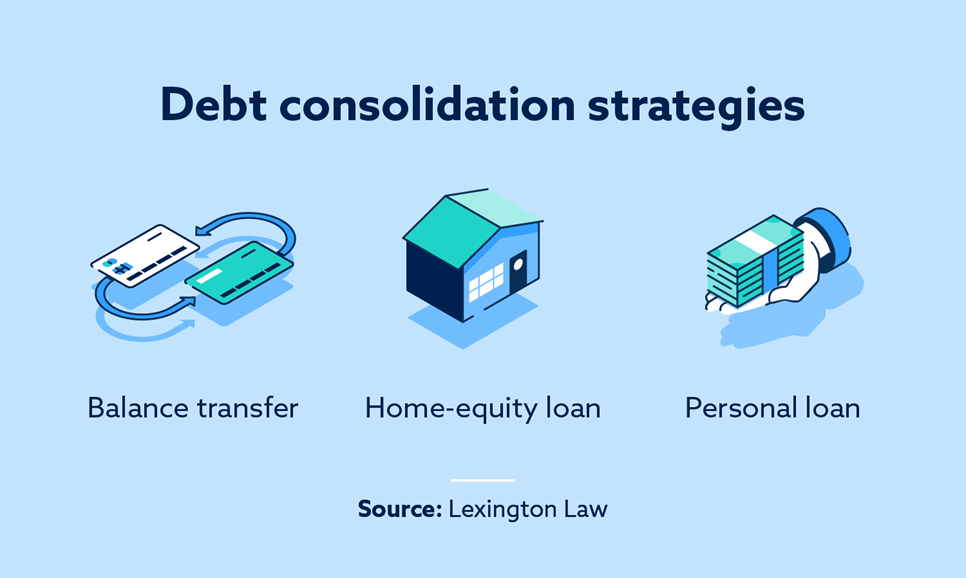
Financial debt combination additionally comes with a reduced rate of interest price than what you were paying on your debt cards, making the regular monthly prices, as well as total expenses, much less. Charge card financial obligation combination's most usual types are financial obligation administration plans, financial obligation consolidation finances, or a zero-interest transfer credit score card.
To get a debt combination financing or a zero-interest equilibrium transfer charge card, you need a credit report of at least 680. Greater. If your accounts are charged off, your credit report is likely well listed below that. Credit rating isn't an element for debt management program, however you need a sufficient income to be able to make a month-to-month settlement that will certainly cover every one of the accounts included in the program.
Insolvency is the last resort for a person who has even more financial obligation than they can pay. It can be the step you take in order to avoid personal bankruptcy.
How No-Cost Digital A Season of Gratitude: How APFSC Helps Families Thrive : APFSC Resources That Help Families can Save You Time, Stress, and Money.
Insolvency will get rid of all eligible unsecured financial obligation. Charge Card Debt Mercy will have a negative influence on your credit history given that complete equilibriums on accounts were not paid. Yet as soon as you've finished the program, the accounts will certainly reveal a no equilibrium, not that you still owe cash. Insolvency will have a much a lot more severe adverse influence on your credit record, making it difficult to obtain a home mortgage, vehicle loan, or various other required credit report in the years that comply with.
Credit History Card Debt Forgiveness repayments start as quickly as you're accepted right into the program. Insolvency authorization and discharge can take 6-12 months. Collection actions and legal actions on Bank card Financial obligation Mercy clients are quit as soon as financial institutions agree to the plan. Declaring for insolvency triggers an automatic remain on collection actions and suits, and uses protection from harassment by financial institutions, however if the court does not authorize the insolvency, those will certainly launch once again.

Table of Contents
Latest Posts
The Best Strategy To Use For Is Debt Forgiveness Work for Most People
Professional Guidance Preserves Your Home Can Be Fun For Anyone

The Definitive Guide to Long-Term Consequences on Credit Report Review Services : Professional Credit Analysis : APFSC : APFSC Choices
More
Latest Posts
The Best Strategy To Use For Is Debt Forgiveness Work for Most People
Professional Guidance Preserves Your Home Can Be Fun For Anyone