Featured

The Single Strategy To Use For Emerging Laws Influencing Bankruptcy Options
Table of Contents
That releases up cash in the short-term, and you might have three to four years to conserve toward the negotiation quantity. Very hazardous to credit rating, mostly due to missed out on repayments and an adverse "resolved" mark that could remain on your credit rating record for up to seven yearsMay be just choice if various other choices (financial debt combination, equilibrium transfer credit report cards, financial debt forgiveness) aren't possibleTypically requires a cost to the 3rd party, which could offset some or all of the financial savings from debt settlementMay assist you avoid insolvency if you have actually missed out on a number of paymentsNot all lenders deal with financial obligation settlement firms Debt forgiveness may be right for you if you are experiencing a monetary challenge that makes it nearly impossible to pay for your financial debt equilibriums.
With a DMP, you make one month-to-month settlement to the credit history therapy company. Those funds are after that distributed to creditors of your unprotected financial obligations, such as bank card and installment car loans. The firm deals with your lenders to reduce rates of interest or waive charges, but some financial institutions may reject such giving ins.
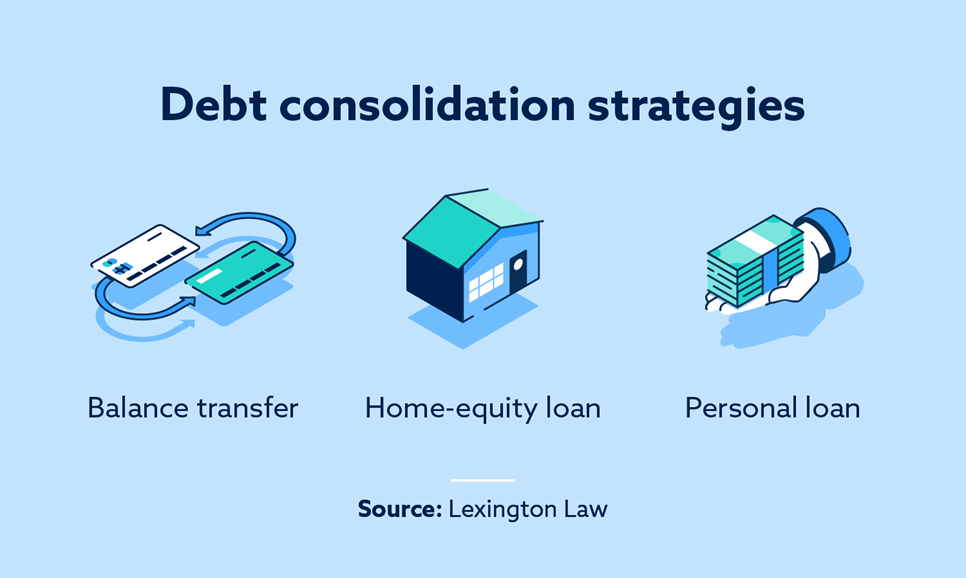
It can aid you pay down financial obligation if you're able to safeguard a funding rate that's lower than the average rate of the accounts you're consolidating. You must refrain from racking up debt on those recently cleared accounts or your debt might expand even greater.
These cards commonly supply a 0% rate of interest introductory duration of as much as 21 months. That gives you lots of time to eliminate or significantly reduce your equilibrium while making interest-free settlements. For some people encountering overwhelming debt, bankruptcy may be the only way to stop collection process and lawfully settle their financial obligations.
What Does True Testimonials from Individuals Who Achieved Freedom Do?
You may require it if your lender or a collection company ever before tries to accumulate on the debt in the future. When a loan provider forgives $600 or even more, they are needed to send you Kind 1099-C.
Financial obligation mercy or settlement usually injures your credit rating. Anytime you settle a financial obligation for much less than you owe, it might look like "worked out" on your credit score report and influence your credit rating for 7 years from the date of settlement. Your credit score can likewise drop significantly in the months causing the forgiveness if you fall back on repayments.
Some Known Factual Statements About Understanding Multiple Relief Programs You May Know About
This scenario usually results from underreporting revenue, not submitting returns on time, or inconsistencies located during an Internal revenue service audit. The consequences of accumulating tax financial debt are serious and can consist of tax liens, which offer the Internal revenue service a legal claim to your residential property as safety for the debt.
Incomes and Financial institution Accounts Internal revenue service can impose (confiscate) incomes and financial institution accounts to satisfy the debt. Building Seizure In severe instances, the IRS can confiscate and sell property to cover the debt.
Social Preconception Encountering legal activity from the Internal revenue service can carry social stigma. Employment Opportunities A poor credit scores rating due to strain debt can limit employment opportunities. Federal government Advantages Tax obligation debt might impact eligibility for federal government advantages, such as Social Safety and Medicaid.
3 Simple Techniques For Knowing Your Rights in How Nurses Can Reduce Loan Payments Without Refinancing
The OIC considers a number of factors, including the taxpayer's revenue, expenditures, property equity, and capacity to pay. Effectively working out an OIC can be complicated, calling for an extensive understanding of the IRS's standards and a solid argument for why your deal lines up with your capability to pay. It's essential to note that not all applications are approved, and the procedure requires in-depth economic disclosure.
The internal revenue service assesses your general economic situation, including your earnings, expenses, possession equity, and capacity to pay. You must likewise be existing with all declaring and settlement demands and not remain in an open insolvency proceeding. The IRS likewise considers your conformity background, evaluating whether you have a record of prompt filing and paying taxes in previous years.
Not known Details About Maintaining Post-Debt Spending Strategy for Lasting Success
The application process for a Deal in Concession entails numerous detailed actions. You need to finish and send IRS Kind 656, the Offer in Compromise application, and Form 433-A (OIC), a collection information declaration for individuals. These types require comprehensive economic information, consisting of information regarding your revenue, financial obligations, costs, and possessions.
Back tax obligations, which are overdue tax obligations from previous years, can significantly raise your total internal revenue service financial debt if not dealt with immediately. This financial debt can build up passion and late repayment fines, making the initial quantity owed much larger over time. Failure to pay back tax obligations can cause the IRS taking enforcement activities, such as providing a tax obligation lien or levy versus your residential property.
It is essential to address back taxes immediately, either by paying the sum total owed or by arranging a settlement strategy with the internal revenue service. By taking proactive actions, you can avoid the build-up of added rate of interest and fines, and stop more hostile collection activities by the internal revenue service.
One typical reason is the belief that the taxpayer can pay the total either as a lump amount or with a layaway plan. The IRS likewise considers the taxpayer's earnings, costs, property equity, and future earning potential. If these variables suggest that the taxpayer can afford to pay greater than the used amount, the IRS is likely to deny the offer.
Some Known Questions About Your Interests.
It is important to give accurate and complete information in your application and to seek advice from a tax expert to boost the opportunities of approval. Taking care of internal revenue service debt can be intricate and overwhelming. Tax experts, such as Certified public accountants, tax lawyers, or signed up representatives, can offer important help. They have the experience to navigate the intricacies of tax law and IRS procedures.

Table of Contents
Latest Posts

The Best Strategy To Use For Is Debt Forgiveness Work for Most People
Professional Guidance Preserves Your Home Can Be Fun For Anyone

The Definitive Guide to Long-Term Consequences on Credit Report Review Services : Professional Credit Analysis : APFSC : APFSC Choices
More
Latest Posts
The Best Strategy To Use For Is Debt Forgiveness Work for Most People
Professional Guidance Preserves Your Home Can Be Fun For Anyone